
For many New Zealanders living with disabilities or long-term health conditions, the Supported Living Payment (SLP) provides essential financial assistance. This government benefit helps individuals who cannot work full-time due to medical limitations, as well as people who provide full-time care for someone with serious health needs.
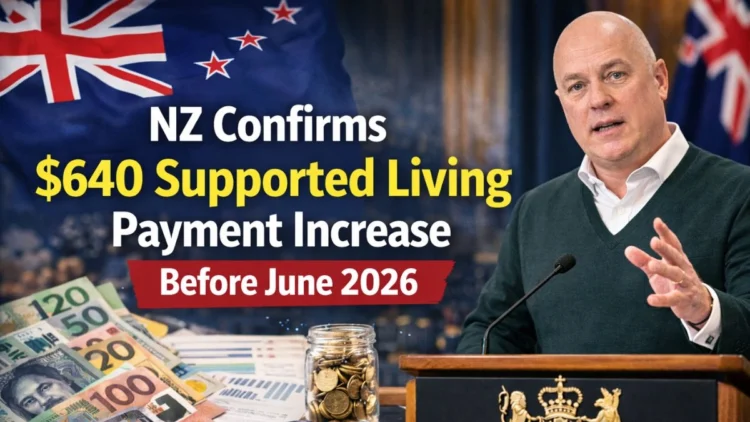
In a recent update, the New Zealand government confirmed that eligible recipients could receive up to $640 in additional support before June 2026. The adjustment forms part of wider welfare updates designed to help vulnerable households cope with increasing living costs.
Although the payment boost will not apply to every resident automatically, many existing SLP recipients are expected to benefit through higher weekly payments, supplementary support, or cost-of-living adjustments during the first half of 2026.
Key Changes to the Supported Living Payment in 2026
Government officials have confirmed that updates affecting Supported Living Payment recipients will begin rolling out between April and June 2026.
Main Highlights of the Update
- Eligible recipients could receive up to $640 in additional financial assistance
- The adjustment is linked to benefit indexation and cost-of-living changes
- Support may be delivered through higher weekly payments or additional supplements
- The increase will apply to qualified Supported Living Payment recipients
- Implementation is expected before June 2026
The purpose of these adjustments is to ensure that individuals relying on long-term government assistance are better protected against rising expenses.
Understanding the Supported Living Payment
The Supported Living Payment is a long-term financial support program provided by the New Zealand government. It is intended for individuals who face ongoing barriers to employment due to health or caregiving responsibilities.
Who the Payment Is Designed For
The benefit is available to people who:
- Have a serious health condition or disability that limits their ability to work
- Are permanently restricted in the number of hours they can work
- Provide full-time care for someone with a significant medical condition or disability
Unlike short-term benefits, SLP is specifically designed for individuals whose circumstances make employment difficult for the foreseeable future.
Each year, thousands of New Zealand residents rely on this payment, making it one of the country’s most important social support programs.
Why the Government Is Increasing the Payment
The decision to introduce the additional support reflects the growing financial pressure many low-income households are experiencing.
Several economic trends have influenced the policy change.
Key Cost-of-Living Pressures
- Rising food and grocery prices
- Increasing housing and rental costs
- Higher electricity and utility bills
- Inflation affecting essential goods and services
Recent economic data shows that households relying on fixed government payments have been particularly affected by these rising costs. By increasing benefit levels, policymakers aim to help recipients maintain a reasonable standard of living.
Real-Life Experiences of Supported Living Payment Recipients
For many recipients, even a modest payment increase can have a meaningful impact on daily life.
Sarah Mitchell, a 42-year-old from Dunedin, relies on the Supported Living Payment after a spinal condition prevented her from returning to full-time employment.
She says small adjustments in support can make a noticeable difference.
According to Sarah, living on a fixed income means every expense must be carefully managed. Additional assistance can help cover essentials such as medication, groceries, or transport.
Similarly, James and Karen Taylor provide full-time care for their adult son who requires constant medical supervision. Karen explains that financial support is critical for families managing complex healthcare needs.
These experiences illustrate why many beneficiaries closely monitor updates to government assistance programs.
Government Comments on the Supported Living Payment Increase
Officials say the upcoming increase reflects the government’s ongoing commitment to supporting vulnerable members of society.
A spokesperson from the Ministry of Social Development (MSD) noted that regular benefit adjustments are necessary to keep financial assistance aligned with rising living costs.
According to the official statement, the Supported Living Payment exists to provide stability for people dealing with long-term health challenges, and periodic updates help ensure that the support remains relevant and effective.
Authorities also highlighted that SLP forms part of a broader support network that includes housing assistance, healthcare subsidies, and other financial aid programs.
Expert Insights: Why Benefit Updates Are Important
Social policy researchers emphasize that adjustments to long-term benefits are especially important because recipients often have limited opportunities to increase their income through employment.
Research indicates:
- More than 100,000 New Zealanders receive Supported Living Payment
- Many depend on the benefit as their primary source of income
- Disability-related costs often increase overall household expenses
Economist Dr. Hannah Lawson explains that individuals living with disabilities frequently face additional financial challenges.
These can include medical treatments, specialized equipment, transportation needs, and accessibility modifications. Benefit increases therefore play a crucial role in helping recipients maintain financial stability.
Experts widely agree that regular updates to social support programs are essential to protect vulnerable populations from economic pressures.
Estimated Financial Impact of the $640 Increase
Although exact payment amounts may differ depending on individual circumstances, the confirmed adjustment could provide meaningful assistance across the year.
Illustrative Example of Potential Impact
| Support Category | Current Support (Approx.) | Additional Assistance | Potential Increase |
|---|---|---|---|
| Individual recipient | Weekly SLP benefit | Added cost-of-living support | Up to $640 |
| Couple recipients | Combined benefit payments | Shared increase adjustments | Up to $640+ depending on eligibility |
| Caregiver recipients | Caregiver benefit payments | Additional assistance | Up to $640 |
Actual payment totals will vary based on eligibility rules, tax codes, and household circumstances.
Who Could Be Eligible for the Increase?
The payment adjustment will generally apply to individuals who already qualify for the Supported Living Payment.
Typical Eligibility Requirements
Applicants must generally:
- Be 18 years or older
- Be a New Zealand resident or citizen
- Have a long-term disability or health condition
- Provide full-time care for someone with serious medical needs (if applying as a caregiver)
Current recipients will likely receive the increase automatically if they continue to meet eligibility criteria.
People applying for SLP before the rollout period may also qualify once their application is approved.
Important Information for Recipients Before June 2026
In most cases, recipients will not need to submit a new application to receive the updated payments.
However, there are several important points to remember.
Key Things to Check
- Payment increases will usually be applied automatically
- Ensure bank account and contact details are current
- Payment amounts may vary depending on tax codes and household situation
- Some recipients may receive additional supplements alongside the increase
If major life changes occur — such as moving house, changes in health status, or shifts in household income — recipients should update their information with government services.
The Future of Disability Support in New Zealand
The Supported Living Payment remains a central component of New Zealand’s welfare system. As the population grows older and awareness of disability support increases, discussions about improving assistance programs are expected to continue.
Policy experts suggest that future reforms may focus on:
- Strengthening long-term financial security for people with disabilities
- Expanding caregiver support initiatives
- Improving access to community services and healthcare assistance
The upcoming $640 payment increase represents an important step toward easing the financial pressures experienced by many vulnerable households.
Conclusion
The confirmed $640 Supported Living Payment increase before June 2026 marks an important update for thousands of New Zealanders living with long-term health conditions, disabilities, or caregiving responsibilities. By adjusting payments to reflect rising living costs, the government aims to help recipients maintain financial stability and meet everyday expenses.
While the exact amount individuals receive will depend on eligibility and personal circumstances, the increase demonstrates an ongoing commitment to strengthening New Zealand’s social support system. For many households relying on Supported Living Payment as their main income, even modest adjustments can make a meaningful difference in maintaining quality of life.
FAQs
What is the Supported Living Payment in New Zealand?
The Supported Living Payment is a long-term benefit for individuals with significant health conditions, disabilities, or caregiving responsibilities that limit their ability to work.
How much is the Supported Living Payment increase in 2026?
Eligible recipients could receive up to $640 in additional support, depending on their eligibility and payment structure.
When will the increase be implemented?
The adjustment is expected to be rolled out between April and June 2026.