
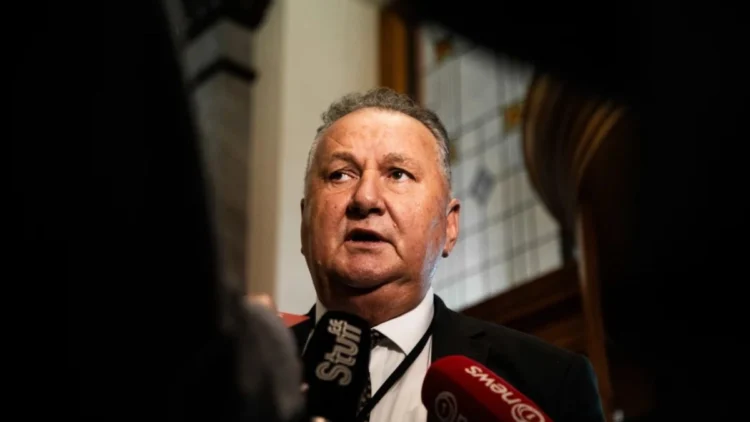
Oceans and Fisheries Minister Shane Jones has downplayed opposition to his proposed Fisheries Amendment Bill, referring to critics as “a range of noisy voices.” He has encouraged those concerned to present their views during the select committee process. The bill is set for its first reading on Tuesday and is expected to gain initial approval with coalition backing.
While the commercial fishing industry has largely supported the proposal, it has sparked strong backlash from recreational fishing advocates.
Recreational Sector Raises Serious Concerns
Prominent fishing personality Matt Watson has voiced strong opposition, arguing that the bill prioritizes industry profits over environmental sustainability. Speaking publicly, he warned that the proposed changes could severely damage fish populations if implemented without checks.
One of the most contentious elements is the plan to remove minimum size limits for certain species, including snapper, for commercial fishers. Watson stressed that such measures could lead to overharvesting of immature fish, reducing their chances to reproduce and ultimately threatening long-term fish stocks.
Currently, recreational fishers must adhere to size limits ranging from 25cm to 30cm depending on the region, while commercial fishers operate with a 25cm minimum. These restrictions exist to allow fish to reach breeding maturity before being caught.
Government Justifies Policy Shift
Jones defended the proposed changes, stating that allowing undersized fish to be landed and sold would reduce unnecessary waste. Under current rules, fishers must discard undersized fish, often dead, without it affecting their quota.
The proposed reform would instead require fishers to account for all catches, including smaller fish. According to Jones, this would create greater accountability, especially since commercial fishing activities are monitored through onboard cameras.
Transparency and Camera Footage Debate
Another controversial aspect of the bill involves limiting public access to footage recorded by cameras on commercial vessels. If passed, such recordings would be exempt from release under official information laws, and unauthorized disclosure could result in fines of up to $50,000.
Recreational advocacy group Legasea has criticized this move, questioning the lack of transparency. Representative Sam Woolford highlighted that when cameras were first introduced, reported discards increased significantly—by approximately 46 percent overall, and nearly 1000 percent for species like snapper and kingfish.
Differing Political and Industry Perspectives
Despite criticism, Jones remains confident about fish stock levels, suggesting that snapper populations are abundant. He also dismissed concerns raised by environmental activists, claiming some are attempting to undermine both the commercial fishing industry and existing Māori fisheries agreements.
Labour’s fisheries spokesperson Rachel Boyack indicated that while her party recognizes the economic importance of commercial fishing—particularly in regions like Nelson—it will push for amendments to ensure sustainability is not compromised.
Meanwhile, Northland MP Grant McCallum has engaged with recreational fishing groups and pledged to represent their concerns within his party discussions.
Industry Defends Sustainability Efforts
Seafood New Zealand has expressed support for the bill, stating that the commercial sector is actively working toward more sustainable practices. Industry representatives point to innovations such as improved net designs with larger mesh sizes and newer technologies like Flowmo nets, which help improve fish survival rates.
However, the proposed legislation does not mandate changes to fishing methods, and the government has made it clear there are no plans to ban trawling.
Conclusion
The Fisheries Amendment Bill has ignited a significant debate between commercial interests and recreational and environmental advocates. While the government argues the reforms will reduce waste and improve accountability, critics warn of potential long-term damage to fish populations and reduced transparency. As the bill progresses to the select committee stage, it will face increased scrutiny, with stakeholders on all sides preparing to influence its final form.
FAQs
What is the main goal of the Fisheries Amendment Bill?
The bill aims to reduce waste in commercial fishing by allowing undersized fish to be landed and counted toward quotas.
Why are recreational fishers opposing the bill?
They fear it could harm fish populations by enabling the capture of immature fish and reducing sustainability protections.
What changes are proposed regarding fishing vessel cameras?
The bill would restrict public access to camera footage and impose fines for unauthorized leaks.