
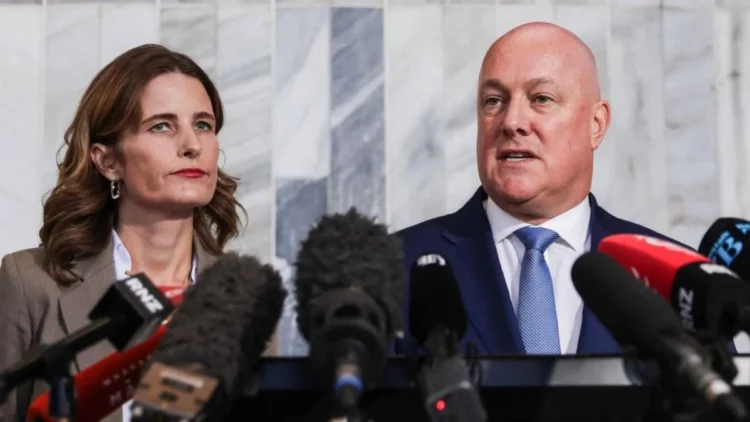
The government is preparing to introduce “targeted and temporary” financial support to assist households struggling with rising fuel prices. The announcement is expected to be made following a Cabinet decision, as global tensions continue to drive up the cost of petrol, diesel, and jet fuel.
Finance Minister Nicola Willis confirmed that while some operational details are still being finalized, the rollout of support will not be delayed. The initiative aims to provide relief to those most affected, rather than applying broad, untargeted measures.
Why Fuel Prices Are Rising Rapidly
The surge in fuel prices has been largely attributed to international conflict, which has disrupted supply chains and increased global energy costs. As a result:
- Petrol and diesel prices have risen sharply
- Businesses are facing higher operational expenses
- Household budgets are under increasing strain
The government acknowledged that not all citizens can be fully protected from these increases, emphasizing the need for a focused approach.
Government’s Strategy: Targeted And Temporary Support
Key Principles Of The Relief Plan
The upcoming support package will follow three major principles:
- Targeted: Focused on low- and middle-income households
- Temporary: Designed to avoid long-term fiscal strain
- Timely: Delivered quickly to those in urgent need
This approach aligns with lessons learned from pandemic-era spending, where excessive and untargeted financial support contributed to inflation and long-term economic pressure.
Fuel Supply Situation: Stable For Now
Despite rising costs, authorities have reassured citizens that fuel supply remains stable in the short term.
Current Fuel Stock Levels
- Approximately 47 days of total fuel reserves
- Around 50 days of petrol supply
- About 46 days of diesel availability
- Roughly 45 days of jet fuel reserves
New shipments have already begun arriving, with additional deliveries expected within the next two weeks. These incoming supplies could add nearly 20 more days of fuel availability.
Potential Risks To Future Fuel Supply
Although the current supply outlook is stable, there are concerns about medium- to long-term disruptions. New Zealand relies on Southeast Asian refineries for over 90% of its fuel imports, making it vulnerable to supply chain interruptions.
The government is preparing contingency plans, including potential fuel rationing strategies, although such measures are not expected to be implemented immediately.
New Fuel Import Policy With Australia
To improve supply flexibility, the government has proposed aligning fuel standards with Australia.
Key Benefits Of The Policy
- Access to a wider range of fuel suppliers
- Faster procurement of fuel shipments
- Ability to utilize shipments originally intended for Australia
Officials confirmed that fuel meeting Australian standards is compatible with local vehicles and adheres to safety and quality requirements.
Fuel Consumption And Usage Trends
Recent data highlights how fuel is consumed daily:
- Total consumption: 24 million litres per day
- Diesel: 47% of total use
- Petrol: 35% of total use
- Aviation fuel: Remaining share
Rising prices are already influencing behavior, with more people opting for public transport and reducing personal vehicle usage.
Government’s Economic Balancing Act
The government faces a challenging situation—providing relief without worsening inflation or increasing public debt. Officials have made it clear that:
- Broad financial giveaways will be avoided
- Support will be carefully distributed
- Long-term economic stability remains a priority
Political Response And Criticism
Opposition leaders have criticized the government for lacking a clear and comprehensive strategy to address the crisis. Concerns raised include:
- Rising household debt levels
- Increased unemployment pressures
- Higher cost of living compared to previous years
However, the opposition has chosen to wait for the official announcement before delivering a final judgment on the relief measures.
Conclusion
The ongoing fuel cost crisis has placed significant pressure on households and businesses alike. While the government’s plan for targeted and temporary support aims to ease the burden, it also reflects a cautious approach shaped by past economic lessons. With stable fuel supplies for now but uncertain global conditions ahead, the coming weeks will be critical in determining how effectively these measures can balance immediate relief with long-term economic stability.
FAQs
What type of support will the government provide?
The government plans to offer targeted financial assistance focused on households most affected by rising fuel costs.
Is there a fuel shortage currently?
No, current reserves are sufficient for about 47 days, and additional shipments are already on the way.
Will fuel prices decrease soon?
Prices depend on global conditions, and while support may help households, fuel prices may remain high in the short term.