
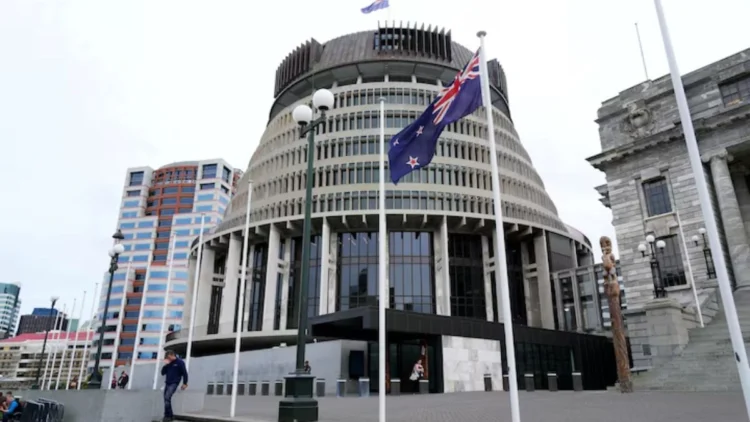
The New Zealand government has announced plans to introduce new legislation aimed at tightening immigration, asylum, and deportation rules. The proposed changes, set to be presented in Parliament, are intended to address concerns around serious criminal activity, migrant exploitation, and misuse of the immigration system.
Immigration Minister Erica Stanford stated that the reforms are designed to provide authorities with “proportionate tools” to effectively manage risks while maintaining a fair and functional immigration framework.
Key Changes in the Proposed Immigration Bill
The new bill outlines several significant reforms that would strengthen enforcement and accountability within the immigration system:
- Extended Deportation Liability: The timeframe during which a resident can be deported for serious criminal offenses will increase from 10 years to 20 years.
- Harsher Penalties for Exploitation: The maximum prison sentence for migrant exploitation will rise from 7 years to 10 years.
- Stronger Action Against False Information: Authorities will gain expanded powers to act against individuals who provide misleading or false details during immigration processes.
These measures aim to improve the government’s ability to deal with individuals who pose risks to public safety or undermine the integrity of the system.
Legislative Process and Expected Approval
The proposed bill must pass through three readings in Parliament before becoming law. However, given that the current government holds a majority, it is widely expected that the legislation will be approved.
Part of a Global Trend in Immigration Reform
New Zealand’s move reflects a broader international trend. Governments worldwide are increasingly tightening immigration and asylum policies in response to political pressure.
Key objectives behind these reforms globally include:
- Preventing misuse of asylum systems
- Deporting non-citizens convicted of serious crimes
- Maintaining public confidence in refugee protection programs
Additional Asylum Policy Proposals
Alongside the legislation, the government will also present a parliamentary paper outlining further proposed changes to asylum procedures.
One notable proposal would allow officials to consider serious crimes committed within New Zealand before granting refugee status. This could influence decisions on whether applicants qualify for protection.
Concerns Over Criminal Activity Among Claimants
According to government data, 14 individuals who applied for refugee status have been convicted of serious crimes in New Zealand. These offenses include:
- Murder
- Serious sexual crimes
- Drug-related offenses
- Arson
These cases have contributed to the push for stricter screening and enforcement measures.
Crackdown on Bad-Faith Asylum Claims
The government is also targeting individuals believed to be abusing the asylum process. Proposed changes would allow authorities to act more swiftly against:
- Applicants making claims in bad faith
- Individuals seeking media attention to strengthen their cases
- Claimants who fail to attend biometric appointments without valid reasons
These measures are intended to streamline the system and reduce delays caused by non-compliant applicants.
Conclusion
New Zealand’s proposed immigration reforms signal a decisive effort to strengthen enforcement while maintaining fairness in the system. By extending deportation rules, increasing penalties for exploitation, and tightening asylum procedures, the government aims to address criminal activity and misuse of immigration pathways.
As global pressures around migration continue to rise, these changes reflect a broader shift toward stricter controls. If passed, the legislation could significantly reshape how New Zealand manages immigration risks while balancing humanitarian obligations.
FAQs
Why is New Zealand tightening its immigration rules?
The government aims to address serious crime, migrant exploitation, and misuse of the asylum system.
What are the key changes in the new immigration bill?
The bill extends deportation periods, increases penalties for exploitation, and strengthens action against false information.
Will the new immigration law be approved?
It is likely to pass, as the government holds a parliamentary majority.