
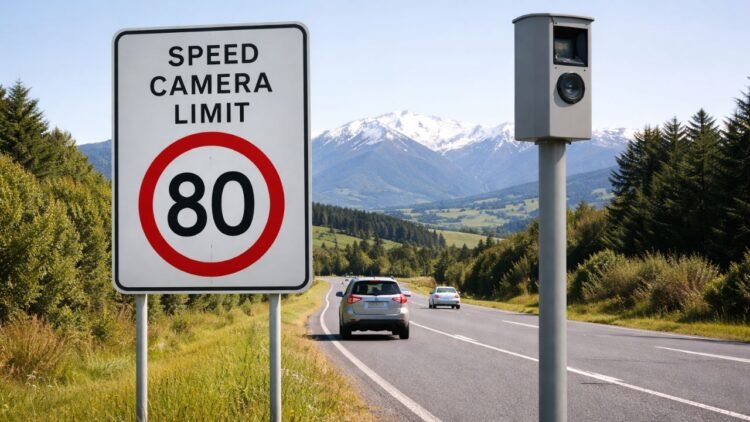
New Zealand Introduces Updated Speed Camera Limits for 2026 marks a significant shift in how traffic rules are monitored and enforced across the country. As road safety continues to be a national priority, the government has confirmed updated speed camera limits for 2026 in New Zealand, aiming to reduce accidents, improve compliance, and create safer highways and urban streets. These changes affect how speed cameras operate, the tolerance levels allowed before fines are issued, and the overall enforcement strategy moving forward.
For drivers across Auckland, Wellington, Christchurch, and regional highways, understanding the new speed camera tolerance rules in New Zealand for 2026 is essential to avoid penalties and stay compliant with updated road safety standards.
Why New Zealand Is Updating Speed Camera Limits in 2026
Stronger Focus on Road Safety
The primary objective behind the updated speed camera limits for 2026 in New Zealand is to reduce serious injuries and fatalities caused by speeding. Speed remains one of the leading contributors to road crashes nationwide. By tightening tolerance margins and increasing automated monitoring, authorities aim to encourage safer driving habits.
Consistency Across Regions
Previously, enforcement tolerance levels sometimes varied depending on location, holiday periods, or specific police campaigns. With the 2026 update, the goal is to bring more uniform speed camera enforcement across New Zealand, reducing confusion for motorists.
Technology Advancements
Modern digital speed cameras introduced under the new 2026 enforcement strategy offer higher accuracy, better number plate recognition, and improved data tracking. This allows authorities to enforce posted limits more precisely without relying heavily on manual intervention.
What Are the Updated Speed Camera Limits for 2026?
The updated speed camera limits in New Zealand for 2026 primarily focus on reduced tolerance levels. While exact enforcement margins may not be publicly advertised to prevent drivers from “gaming” the system, officials have indicated that leniency margins are being narrowed.
Drivers should expect:
Lower tolerance thresholds before fines are triggered
Increased use of fixed and mobile speed cameras
More frequent monitoring in high-risk zones
Stronger holiday enforcement periods
How Speed Camera Tolerance Previously Worked
In past years, drivers often experienced a small margin above the posted speed limit before receiving a fine. For example, during holiday operations, tolerance levels were sometimes reduced to discourage speeding during peak travel periods.
Under the 2026 updated speed camera limits in New Zealand, authorities are moving toward a stricter and more consistent approach year-round.
Areas Most Affected by the 2026 Changes
Urban Zones
Cities such as Auckland and Wellington are expected to see expanded fixed speed camera installations. Urban areas with 30 km/h and 50 km/h limits, especially near schools and pedestrian-heavy zones, will be monitored more closely.
Highways and Rural Roads
State highways, where speed limits typically range between 80 km/h and 100 km/h, remain high-risk corridors. The updated speed camera enforcement rules in New Zealand for 2026 aim to reduce high-speed crashes in these regions.
School and Safety Zones
Special focus will be placed on school zones during pickup and drop-off hours. Temporary reduced speed limits in these areas will be strictly enforced using mobile camera units.
Table: Overview of 2026 Speed Camera Changes
| Category | Before 2026 | Updated 2026 Rules |
|---|---|---|
| Tolerance Levels | Variable, sometimes lenient | Reduced and more consistent |
| Holiday Enforcement | Temporary stricter margins | Stricter enforcement maintained longer |
| Urban Monitoring | Limited fixed cameras | Expanded fixed camera network |
| School Zones | Periodic enforcement | Enhanced targeted monitoring |
| Technology Used | Standard digital cameras | Advanced automated systems |
This table highlights how the new speed camera tolerance rules in New Zealand for 2026 differ from earlier enforcement practices.
What This Means for Drivers in 2026
Increased Risk of Fines
With reduced tolerance margins, drivers exceeding posted limits by even small amounts may face infringement notices. It becomes more important than ever to monitor speed carefully.
Greater Accountability
The expansion of automated speed enforcement across New Zealand in 2026 means drivers are more likely to be recorded and fined without direct police interaction.
Focus on Safe Driving Habits
Authorities emphasize that the goal of updating speed camera limits in New Zealand for 2026 is not to increase revenue but to improve safety. Drivers are encouraged to maintain safe following distances and adhere strictly to posted signs.
Penalties Associated with Speeding in New Zealand
While the structure of fines remains based on how far above the speed limit a driver travels, the lower tolerance may lead to more infringement notices.
Common consequences include:
Monetary fines
Demerit points on driver licences
In severe cases, licence suspension
Drivers should regularly check official guidance to stay informed about current fine amounts and demerit thresholds under the 2026 speed enforcement framework.
Long-Term Impact of the Updated Speed Camera Limits
Safer Communities
By narrowing enforcement tolerance levels and increasing monitoring, New Zealand expects a reduction in road fatalities and injuries over time.
Cultural Shift in Driving Behaviour
Stricter speed camera enforcement in New Zealand for 2026 is intended to create a long-term cultural shift where compliance becomes habitual rather than reactive.
Data-Driven Enforcement
The updated system allows authorities to analyze traffic patterns, identify accident hotspots, and deploy cameras strategically where speeding is most dangerous.
Tips for Drivers to Avoid Speed Camera Fines in 2026
Stay aware of posted speed limits
Reduce speed when entering school or construction zones
Use cruise control on highways when appropriate
Allow extra travel time to avoid rushing
Stay informed about local enforcement updates
By adapting to the updated speed camera limits introduced in New Zealand for 2026, drivers can protect both their finances and safety.
Public Reaction to the 2026 Speed Camera Changes
Reactions to the new speed camera tolerance changes in New Zealand for 2026 have been mixed. Road safety advocates generally support the stricter enforcement, arguing that even small reductions in speed significantly reduce crash severity. Some motorists, however, express concern about reduced flexibility and increased fines.
Government officials maintain that the updated speed camera enforcement policy for 2026 prioritizes public safety above all else.
Conclusion
The announcement that New Zealand Introduces Updated Speed Camera Limits for 2026 represents a decisive move toward stricter, more consistent road safety enforcement. With reduced tolerance margins, expanded camera networks, and advanced monitoring technology, drivers must be more vigilant than ever. The changes are designed not as a punishment, but as a preventative measure to lower accident rates and save lives. By understanding the updated speed camera limits in New Zealand for 2026 and adjusting driving habits accordingly, motorists can avoid penalties and contribute to safer roads nationwide.
FAQs
What are the new speed camera tolerance limits in New Zealand for 2026?
The tolerance margins are being reduced and standardized, meaning drivers may receive fines for smaller speed exceedances than before.
Will holiday speed enforcement still be stricter in 2026?
Yes, enforcement remains strong during holiday periods, with reduced tolerance applied consistently.
Do the updated 2026 speed camera limits apply nationwide?
Yes, the updated enforcement strategy is intended to provide consistent monitoring across urban and rural areas.