
New Zealand has announced a temporary financial relief measure aimed at helping working families cope with rapidly rising fuel prices. The policy, set to begin on 1 April 2026, comes in response to global oil market disruptions linked to the ongoing Middle East conflict, which has significantly increased petrol costs worldwide.
Prime Minister Christopher Luxon and Finance Minister Nicola Willis confirmed that the initiative will provide direct weekly payments to eligible households. This move positions New Zealand among the first countries to offer direct cash assistance specifically for fuel-related expenses.
Who Will Receive the Payments?
Under the scheme, approximately 143,000 families with dependent children will receive an additional NZ$50 per week through an increase in the in-work tax credit. This support targets households where:
- At least one parent is employed
- Families are not receiving government benefits
- Household incomes fall within a moderate range
In addition, around 14,000 families with slightly higher earnings will also qualify, though their weekly payments will be less than NZ$50.
Duration and Conditions of the Scheme
The fuel relief payments are designed as a temporary measure lasting up to one year. However, the scheme could end earlier if fuel prices stabilize. Specifically, it will continue until:
- The price of 91 octane petrol drops below NZ$3 per litre
- This lower price is sustained for four consecutive weeks
Why the Policy Was Introduced
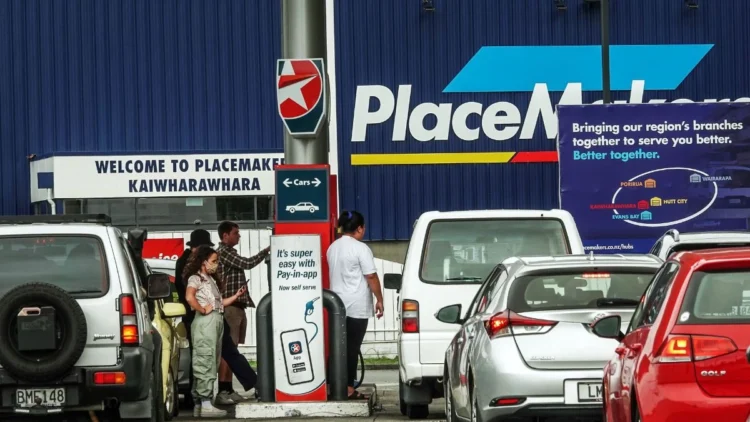
Fuel prices in New Zealand have surged sharply, increasing by approximately 40 to 50 cents per litre since the escalation of tensions in the Middle East. As a result, the average cost of petrol has now exceeded NZ$3 per litre, placing significant strain on household budgets.
The situation has also led to panic buying and fuel shortages at some stations. As of the announcement, the country had roughly 46 days of fuel reserves, including petrol, diesel, and jet fuel.
Luxon emphasized that while maintaining fuel supply is a priority, the government also recognizes the financial pressure on families. Willis added that the policy is aimed at the “squeezed middle”—working households that do not qualify for traditional welfare but still struggle with rising costs.
Criticism and Concerns Over Eligibility
Despite the targeted support, the policy has faced criticism for excluding vulnerable groups. Marama Davidson highlighted that the relief package does not benefit:
- Individuals receiving government benefits
- Retirees
- Unpaid caregivers
Critics argue that these groups are among those most affected by rising fuel costs, raising concerns about the fairness and inclusiveness of the measure.Global Context: How Other Countries Are Responding
Governments worldwide are taking different approaches to tackle rising fuel prices:
- Philippines: Reduced working days to lower fuel consumption
- Sri Lanka: Implemented fuel rationing
- Ireland: Planning cuts to fuel taxes
- South Korea and Thailand: Introduced fuel price caps
- Marshall Islands: Offering income tax reductions
Unlike these measures, New Zealand’s approach stands out for directly transferring cash to households, marking a unique policy response.
Economic Vulnerability and Energy Dependence
New Zealand’s geographic isolation makes it particularly sensitive to global supply chain disruptions. Its heavy reliance on imported fuel and international trade increases exposure to price shocks caused by geopolitical tensions.
The current crisis underscores the country’s vulnerability to external economic pressures, especially in the energy sector.
Conclusion
New Zealand’s fuel relief initiative reflects a targeted attempt to support working families facing rising living costs. By providing direct weekly payments, the government aims to cushion the financial burden caused by escalating petrol prices. However, the policy’s limited eligibility has sparked debate about its effectiveness and fairness. As global energy markets remain volatile, this measure may serve as a test case for similar interventions in other countries.
FAQs
When will the fuel relief payments start?
The payments will begin on 1 April 2026.
How much support will eligible families receive?
Most qualifying families will receive NZ$50 per week, while some may receive a smaller amount.
How long will the payments continue?
The scheme will last up to one year or end earlier if petrol prices fall below NZ$3 per litre for four weeks.