
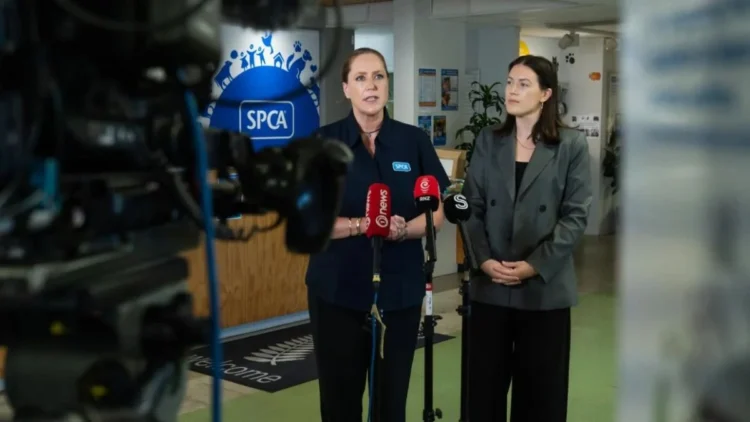
A major joint initiative between the New Zealand Government and the SPCA is set to address the growing issue of roaming and uncontrolled dogs in Auckland and Northland. Nearly $1.2 million has been allocated to fund a large-scale dog desexing programme aimed at reducing unwanted litters and preventing dog attacks.
The funding includes $700,000 from SPCA and approximately $500,000 from the Lottery Minister’s Discretionary Fund, overseen by Brooke van Velden.
Targeted 12-Month Programme to Reduce Risks
The programme will run for 12 months, focusing on high-risk areas where roaming dogs and uncontrolled breeding are most common. The initiative aims to:
- Prevent unwanted puppies
- Reduce roaming dog populations
- Lower the risk of dog attacks in communities
The SPCA plans to desex approximately 3,000 dogs across Auckland and Northland during this period.
Rising Concerns Over Dog Attacks
The urgency of the programme is underscored by recent incidents. Notably, three out of four recent fatal dog attacks occurred in Northland. One tragic case involved Mihiata Te Rore, 62, who lost her life following a dog attack in Kaihu in February.
Dr. Arnja Dale, Chief Scientific Officer at SPCA, stressed the need for immediate preventive measures to protect both people and animals in affected communities.
Scale of the Problem in Auckland and Northland
According to SPCA estimates, between 24,000 and 51,000 dogs in these regions remain undesexed. This contributes significantly to uncontrolled breeding and roaming behavior.
The organization projects that desexing efforts could:
- Prevent around 7,500 puppies within the first year
- Avoid up to 45,000 puppies over the lifetime of the female dogs involved
Focus on Prevention and Accessibility
The programme will prioritize dogs most likely to contribute to population growth, including unregistered and roaming animals. By addressing these cases early, the initiative aims to reduce both breeding and aggressive behavior.
One of the key challenges identified is limited access to veterinary services, particularly in rural and remote communities. Cost barriers have also prevented many dog owners from seeking desexing services.
To address this, SPCA will collaborate with veterinary partners to:
- Improve service accessibility
- Eliminate financial obstacles for pet owners
Programme Timeline and Policy Recommendations
The desexing programme is scheduled to begin on April 1 and will run until March 31, 2027.
In addition to this initiative, SPCA has called for broader reforms, including:
- A review of the Dog Control Act 1996
- National guidelines for local councils
- A centralized database for dog bite incidents
- Stronger regulations for dog breeding
- Updates to the national Code of Welfare for dogs
These changes aim to create a more comprehensive and effective framework for managing dog populations and ensuring public safety.
Conclusion
The $1.2 million investment in dog desexing across Auckland and Northland represents a proactive step toward reducing dog attacks, controlling population growth, and improving animal welfare. By focusing on prevention, accessibility, and targeted intervention, the programme addresses both immediate risks and long-term challenges. Combined with proposed policy reforms, this initiative has the potential to significantly enhance community safety and responsible pet ownership across New Zealand.