


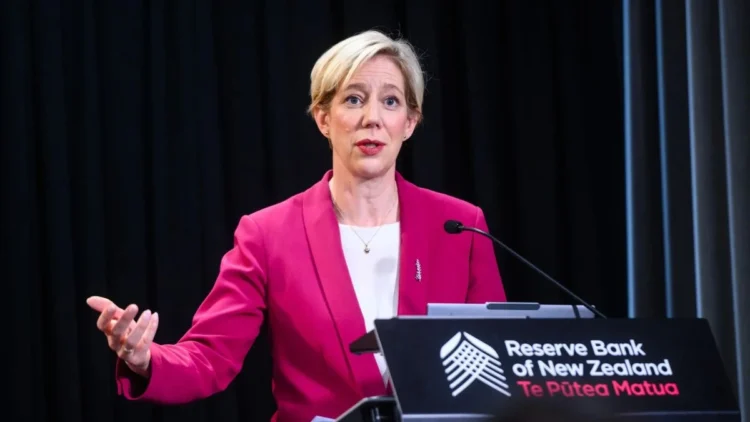
New Zealand’s central bank has indicated that interest rate increases may become necessary if rising energy costs lead to persistent inflation. The warning comes as global tensions, particularly in the Middle East, continue to push oil prices higher, adding pressure to the domestic economy.
Governor Anna Breman of the Reserve Bank of New Zealand (RBNZ) emphasized that while policymakers are cautious about reacting too quickly, they are equally wary of delaying action if inflation becomes entrenched.
Energy Prices Driving Inflation Concerns
According to Breman, the central bank expects a short-term surge in inflation due to elevated fuel and energy costs. However, policymakers intend to “look through” temporary price spikes unless they begin affecting broader economic conditions.
She highlighted that:
- A temporary increase in petrol prices should not automatically trigger monetary tightening
- But persistent inflationary pressures could require decisive action
The key factor remains the duration of the energy shock and whether it spreads beyond fuel prices into wages and general costs.
Interest Rate Outlook and Market Expectations
Current Rate and Inflation Data
- Official Cash Rate (OCR): 2.25% (unchanged since November)
- Latest inflation reading: 3.1%, exceeding the RBNZ’s 1%–3% target range
After a period of aggressive rate cuts over the past two years, the central bank has paused. However, rising inflation has shifted market sentiment.
What Markets Are Pricing In
- Low probability of a rate hike on April 8
- Around 60% chance of a 25 basis point hike in May
- Expected year-end rate: 3.0%
In response, several banks have already started increasing mortgage rates, tightening financial conditions.
RBNZ’s Balanced Monetary Policy Approach
Wait-and-Watch Strategy
Breman stressed that the central bank is maintaining flexibility in its policy stance:
- Rate hikes are possible if inflation becomes persistent
- Rate cuts are also not ruled out, depending on global developments
She underlined the importance of avoiding premature reactions while remaining vigilant against long-term inflation risks.
Impact on Economy and Households
Tighter financial conditions could slow economic growth in the short term, a concern the RBNZ is closely monitoring.
Additionally, households and businesses are already facing:
- Higher energy bills
- Increased uncertainty
- Potential financial strain
Breman suggested that targeted fiscal support from the government would be more effective than monetary policy in cushioning these impacts.
Economists’ View: No Immediate Rate Hike Likely
Despite market expectations, many economists believe the central bank will hold rates steady in the near term.
Experts from Westpac noted:
- It is unlikely that the RBNZ will raise rates within the next six months
- Policymakers need time to assess:
- The duration of the energy shock
- Its economic impact
- Implications for medium-term inflation
They also indicated that rate cuts are equally unlikely during this evaluation period.
Key Takeaways
| Factor | Current Situation |
|---|---|
| Inflation Rate | 3.1% (above target) |
| OCR | 2.25% |
| Market Expectation | 60% chance of May hike |
| Policy Approach | Flexible, data-dependent |
| Economic Risk | Slower growth due to tighter conditions |
Conclusion
The Reserve Bank of New Zealand is navigating a complex economic landscape shaped by rising energy costs and global uncertainty. While it aims to avoid overreacting to temporary inflation spikes, the central bank remains prepared to act if those pressures become long-lasting. Markets are increasingly betting on rate hikes, but economists expect a cautious, wait-and-see approach in the coming months. Ultimately, the duration of the energy shock will determine whether policy tightening becomes necessary.
FAQs
Why is the RBNZ concerned about energy prices?
Higher energy costs can push inflation above target levels and potentially spread across the broader economy.
Will interest rates increase soon in New Zealand?
Markets expect a possible hike in May, but economists believe rates may remain unchanged for the next six months.
What is the current inflation rate in New Zealand?
Inflation is currently at 3.1%, slightly above the RBNZ’s target range of 1% to 3%.