


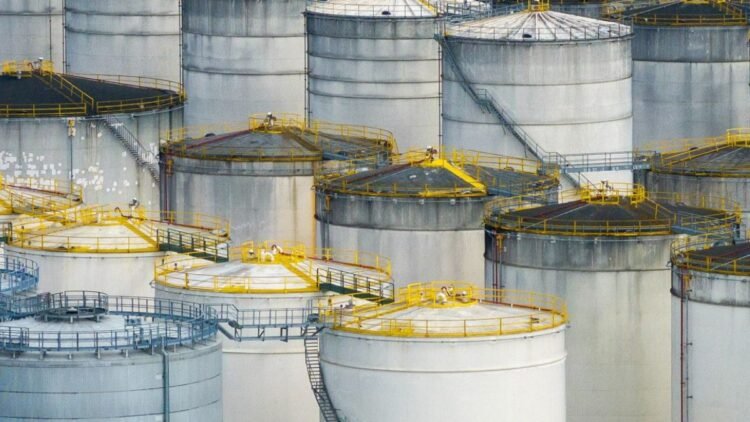
A potential surge in global oil prices to US$200 per barrel is raising serious concerns worldwide. With geopolitical tensions escalating and the Strait of Hormuz under threat of closure, experts warn that economies like New Zealand could face sharp increases in everyday costs.
From petrol to groceries and air travel, the ripple effects could be significant and far-reaching.
Petrol Prices Could Hit Record Highs
One of the most immediate impacts of rising oil prices would be felt at the petrol pump. Currently, with oil hovering around US$100 per barrel, petrol prices in New Zealand have already climbed above $3 per litre.
A commonly used estimate suggests that for every $10 increase in oil prices, petrol rises by approximately 10 cents per litre. If oil reaches US$200, fuel prices could surge to around $4 per litre.
This would significantly increase the cost of driving:
- Small car (40L tank): from $120 to $160
- SUV (55L tank): from $165 to $220
- Large vehicles (80L tank): from $240 to $320
In extreme cases, governments may introduce fuel rationing to prioritise essential services. Panic buying and hoarding behaviors—similar to those seen during the COVID-19 pandemic—could also return.
Inflation Shock Across the Economy
Rising fuel costs don’t just affect drivers—they influence the entire economy. When transportation becomes more expensive, the cost of moving goods increases, leading to higher prices across multiple sectors.
Economic modelling suggests that if oil prices exceed US$185 per barrel for several months, New Zealand’s Consumer Price Index (CPI) could rise by approximately 3.2%.
Historically, every $1 increase in fuel costs can generate about $0.30 in indirect inflation, impacting everything from retail to logistics.
Grocery Bills Set to Climb
Food prices would likely take a major hit under this scenario. Agriculture depends heavily on fuel for transportation and production, including fertilisers and machinery.
Experts estimate grocery prices could rise by around 12%, meaning a noticeable increase in everyday essentials:
- Milk (2L): from $4.92 to $5.51
- Bread: from $2.21 to $2.48
- Beef mince: from $18.50 to $20.72
- Butter (500g): from $6.20 to $6.94
- Cheese: from $12.50 to $14.00
- Eggs (dozen): from $9.80 to $10.98
For a typical family of four, weekly grocery costs could jump from $480 to $537.
Staple goods with inelastic demand—items people must buy regardless of price—will likely see the biggest increases. Meanwhile, consumers may shift away from non-essential items to manage budgets.
Travel Could Become a Luxury
Air travel is particularly sensitive to fuel price changes. Jet fuel prices have already surged dramatically, rising from around US$90 to over US$150 per barrel.
Airlines have started passing these costs onto passengers. For example, fare increases have already been introduced:
- Domestic flights: +$10 per trip
- Short international: +$20 per trip
- Long-haul: +$90 per trip
If oil hits US$200, jet fuel could climb to US$250–$300 per barrel, pushing ticket prices significantly higher:
- Wellington to Auckland: from $95 to $160
- Auckland to Sydney: from $285 to $550
- Auckland to New York: from $1000 to $2100
Airlines may also reduce flight availability to control costs, further increasing demand and prices.
Economic Uncertainty and Market Volatility
While these projections represent a worst-case scenario, they highlight the vulnerability of global economies to oil price shocks. Markets are currently reacting rapidly to geopolitical developments, with prices fluctuating daily.
Experts caution that the duration of the conflict will play a critical role. A prolonged disruption could deepen the economic impact, while a quicker resolution may stabilise prices sooner.
A rise in oil prices to US$200 per barrel would have widespread consequences, affecting everything from daily commutes to grocery bills and international travel. For households, this could mean tighter budgets and difficult financial adjustments.
While the situation remains uncertain, one thing is clear: energy prices continue to play a crucial role in shaping global economic stability. As events unfold, governments, businesses, and consumers alike will need to adapt quickly to a rapidly changing landscape.