


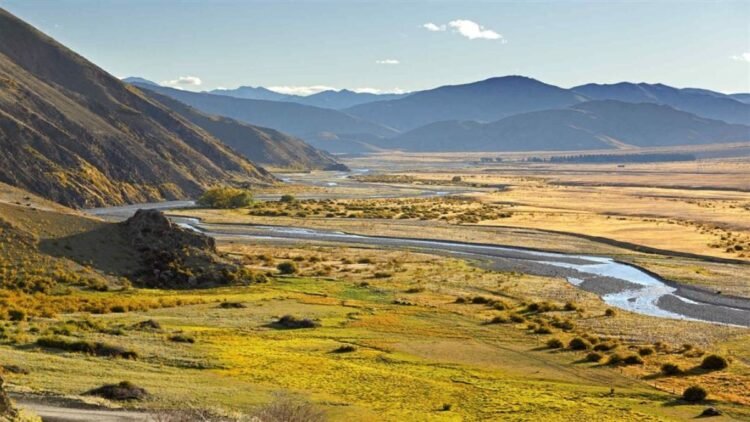
The race to manage New Zealand’s largest farm is officially underway, with five applicants submitting proposals to operate commercial farming activities at the Molesworth Recreation Reserve.
The Department of Conservation (DOC) has confirmed strong interest in the opportunity, marking a significant step in determining the future of one of the country’s most iconic landscapes.
Strong Interest in a Unique Farming Opportunity
Stacey Wrenn, South Marlborough Operations Manager for the Department of Conservation, confirmed that five applications had been received to take over farming operations at Molesworth.
Wrenn expressed satisfaction with the response, noting that the scale and complexity of the reserve make it a highly specialized operation.
“We’re really pleased with the response. Given the size of the reserve and the specialised farming involved, this is a strong level of interest,” she said.
The application process required significant preparation, and the department acknowledged the effort made by all applicants in developing their proposals.
Molesworth Reserve: A Vast and Significant Landscape
Spanning an impressive 180,787 hectares, the Molesworth Recreation Reserve is not only New Zealand’s largest farm but also one of its most expansive conservation areas.
To put its size into perspective:
- It is larger than Rakiura/Stewart Island
- It exceeds the size of 10 national parks across the country
The reserve is known for its rugged high-country terrain and plays a crucial role in:
- Biodiversity conservation
- Public recreation
- Cultural heritage preservation
Its scale and environmental importance make the selection of a new operator a matter of national interest.
Cultural and Environmental Importance
Molesworth holds deep cultural significance for several iwi, including:
- Ngāi Tahu
- Ngāti Kurī
- Te Rūnanga o Toa Rangatira
- Rangitāne o Wairau
The land is not only valued for its agricultural potential but also for its role in preserving indigenous heritage and ecological balance.
As a result, any future operator will be expected to respect and uphold these cultural values while maintaining sustainable farming practices.
Selection Criteria for the New Operator
The Department of Conservation has outlined a detailed evaluation process for the applications. Key factors include:
1. Farming Capability
Applicants must demonstrate the ability to manage large-scale farming operations efficiently and sustainably.
2. Environmental Protection
Protecting the reserve’s fragile ecosystems and biodiversity is a top priority.
3. Cultural Responsibility
Proposals must show how applicants will honor and integrate iwi values and cultural heritage.
4. Public Access
Ensuring continued access for recreation and tourism is also a critical consideration.
The selected operator will need to balance commercial farming objectives with environmental stewardship and public use.
Timeline and Next Steps
The Department of Conservation expects to announce a preferred operator by the end of May 2026.
Once selected, the successful applicant must:
- Apply for a formal concession
- Undergo a public notification process
- Allow time for community submissions and feedback
This ensures transparency and gives the public a chance to be involved in the decision-making process.
Current Operator and Transition Plan
The property is currently managed by Pāmu Farms of New Zealand, a state-owned enterprise. Pāmu will continue operating the farm until its lease officially expires on June 30, 2026.
A spokesperson for Pāmu confirmed their ongoing cooperation with DOC:
“We are working closely with the Department of Conservation and remain committed to supporting a smooth transition.”
The Department has also emphasized that it is working alongside Pāmu to ensure continuity of farming operations during the transition period.
The selection of a new operator for the Molesworth Recreation Reserve represents a major decision for New Zealand’s agricultural and conservation sectors. With five strong applicants in contention, the process highlights the importance of balancing economic productivity, environmental protection, and cultural respect.
As the decision approaches, all eyes will be on how the Department of Conservation navigates this complex and high-stakes transition. The outcome will shape the future of the country’s largest farm for years to come.